
Belonging vs. Mattering: Why the Distinction Matters
When I read Gordon Flett’s work on mattering, which is the inner sense that our presence matters to others and that we matter to ourselves, I heard the same refrain that has echoed through every page of my life with my children. In the tension of belonging vs mattering, it isn’t a lofty abstraction; it is the identifiable, persistent hum of my child’s laughter in a crowd, the gentle clasp of their hand that says “I see you,” and the quiet acknowledgment that Ges’s (“Jess”) life lived on the edge of the ordinary carries weight.
Visibility: The Double-Edged Gift of Being Seen
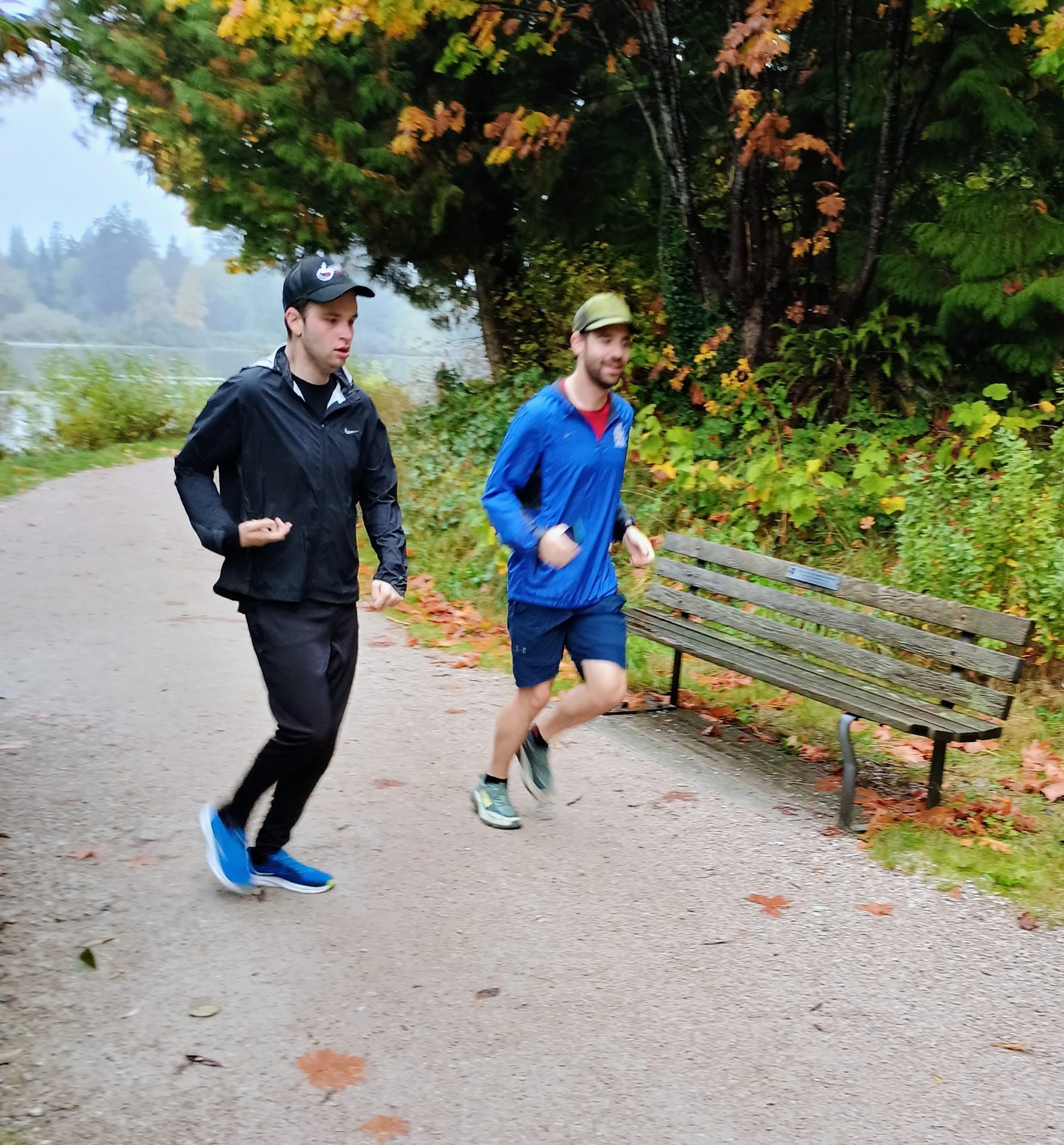
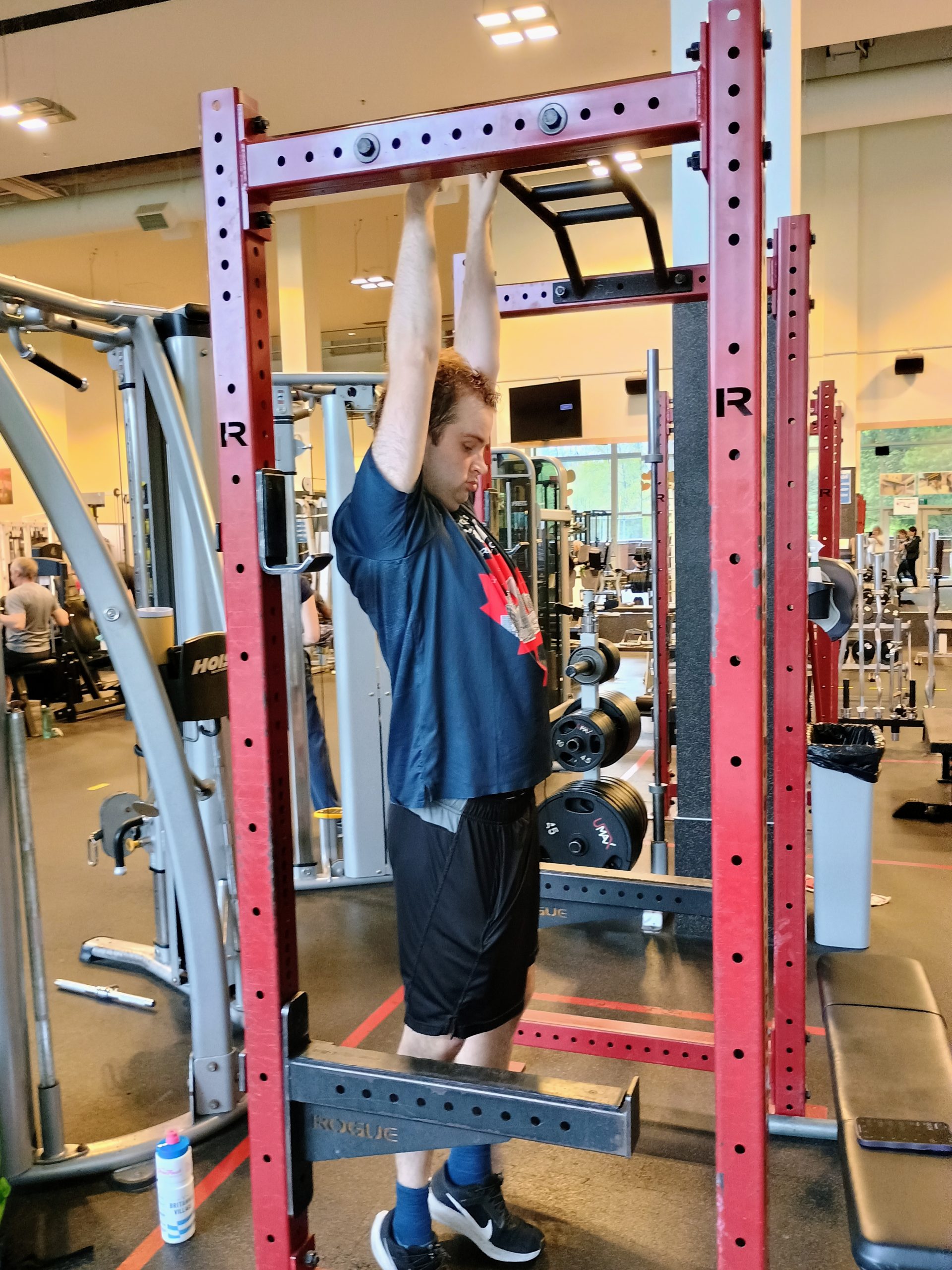
Disability, based on my experience as an ally, acts as a mirror reflecting the social frameworks we build around us. When Ges steps into public spaces like a cross-country trail or his workplace, his uneven gait draws attention, whispers, and sometimes a surprised gasp. These reactions are not about his body; they reveal the gap between what the world expects and what it actually encounters. If the world were truly inclusive, those glances would dissolve into a collective nod of recognition and an unspoken “you belong here.” That is the essence of mattering: the reassurance that our presence, however atypical, is woven into the fabric of community.
Tiny Gestures, Huge Impact: How Small Acts Create Mattering
Flett reminds us that mattering has two pillars: being noticed and being valued. Ges’s story shows that being noticed is a double-edged sword. Visibility can invite misunderstanding, yet it also opens the door to connection. When a teacher pauses to adapt a lesson, when a running mate adapts to match his rhythm, when a stranger reads his “I am autistic” name tag at work and offers a smile, those moments become the building blocks of a mattering architecture.
From Belonging to Mattering: Redefining Value Beyond Performance
The second pillar, value, is cultivated not by grand achievements and being perfect, but by the everyday acts of kindness Ges inspires. His relentless enthusiasm for a simple run, his willingness to share a joke, his earnest “thank you” signed or typed on a screen all whisper that he matters, not because he conforms, but because he contributes his unique rhythm to the chorus of life.
Turning Imperfection into Inclusion: What Ges Has Taught Me
So, as we walk beside those whose bodies and minds work differently, let’s remember Flett’s call: nurture environments where every person is both seen and cherished. In doing so, we turn the superficiality of legislating inclusion into actions that carry the weight of all our stories, and prove that mattering is the most resilient form of perfection.

What a wonderful distinction – it’s about mattering! I’d never thought about that before but as I read your blog it was just so obvious – and helps me better understand what I need to do to be an ally to my neurodivergent friends. Thanks Carmen
Thanks for reading Beatrice!
Thank you Carmen, for helping me continue to learn, grow and increase my understanding of life’s complexities.
Thanks Katie! I used to think Ges’s belonging was enough, but it was his peers in elementary school and in high school athletics who taught me that his belonging–his physical presence–was only the first step. What was important was that his belonging made a difference to them. He mattered to them, and they mattered to him.
Carmen, this is such a well described version of what Ges has done for all of us and how he has educated us and taught us how to be among neurodivergent individuals around us,
Thank you for reading, Elly. He has touched and changed the lives of so many people, including his mother. 🙂
Carmen
Such a wonderful inspirational reading. Never before had I realized the actual difference in belonging and mattering. Simple to understand. They have to be taught and must go together.
Thank you
Connie Holland
Thank you for reading Connie. Children taught me this…my son’s friends showed me how much they meant to each other and I saw the difference that made in their lives. It was a privilege to witness, and learn from them.
So proud of all you doing .💕
Thank you for all the love and support!
I thought I knew, but now I know I didn’t
Thank you for describing the difference and for so much more!
Thank you for reading and taking the time to comment! xo
This was truly enlightening! Thank you, Carmen!
Thank you for reading Lori!
Thank you for lending your voice to share the impact that inclusion has on Ges and the value he brings just by being Ges. Your words capture what often gets lost in DEI conversations. Ges’s story is a beautiful reminder that creating space for people to be fully who they are, enriches everyone around them.
Exactly. Thank you Rena.
Carmen, profoundly insightful piece. You have brought Ges’ experience to the notion of mattering, a state of being that all of us examine at some point in our lives. I’m looking forward to seeing you and your family soon. Thanks for the blog, Cheers and Happy belated New Year
Thank you Bruce! If you’re interested in diving into these ideas further, you might enjoy the article I read that got me started thinking about this. Jamison, Leslie. “The Pain of Perfectionism,” The New Yorker. 4 August, 2025. https://www.newyorker.com/magazine/2025/08/11/the-pain-of-perfectionism
I continue to learn from your writings…thx for sharing
Thank you for reading!