
Why Community Beats Individual Ego: The Psychology Behind Collective Mattering
From a Solo Request to a School‑Wide Movement
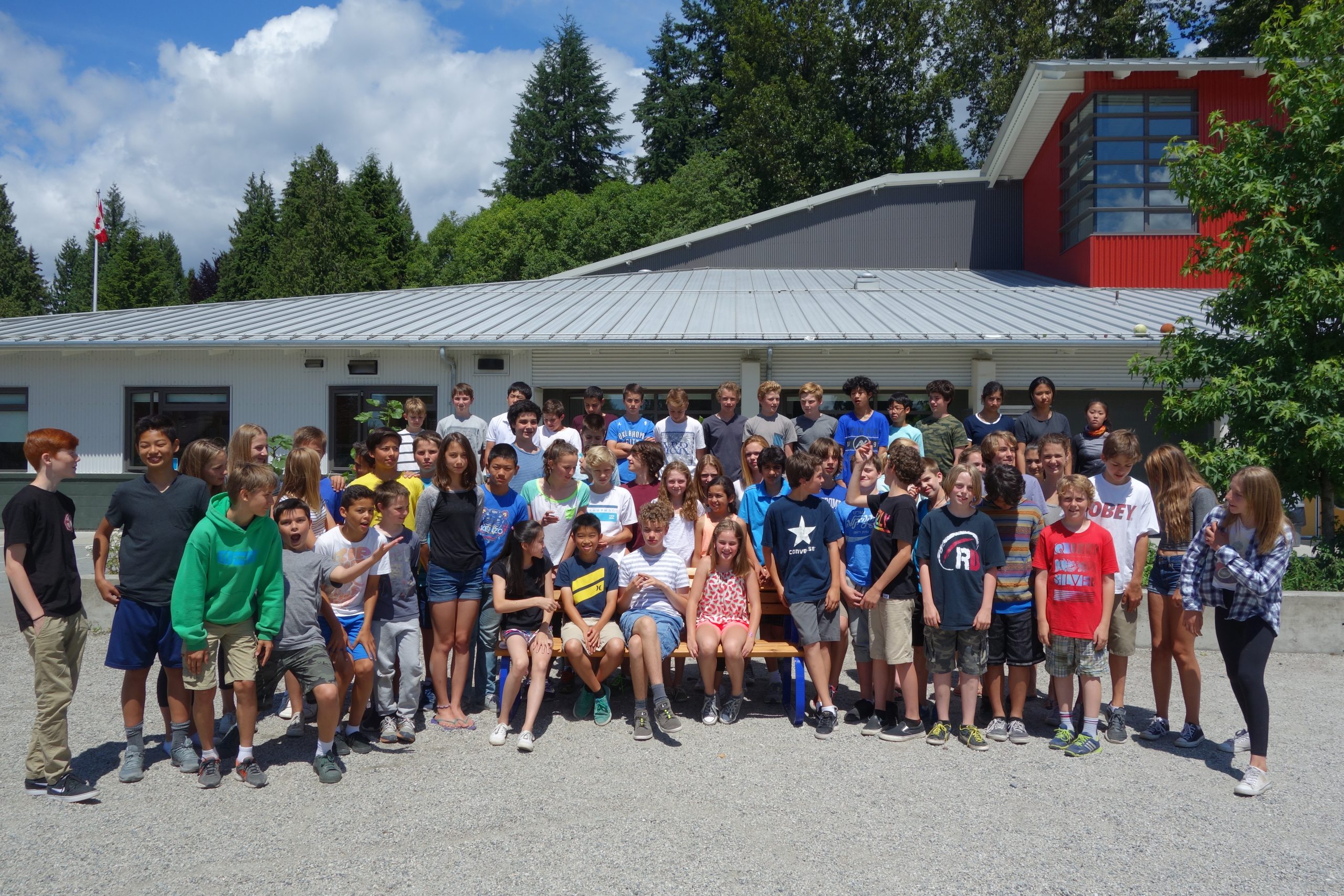
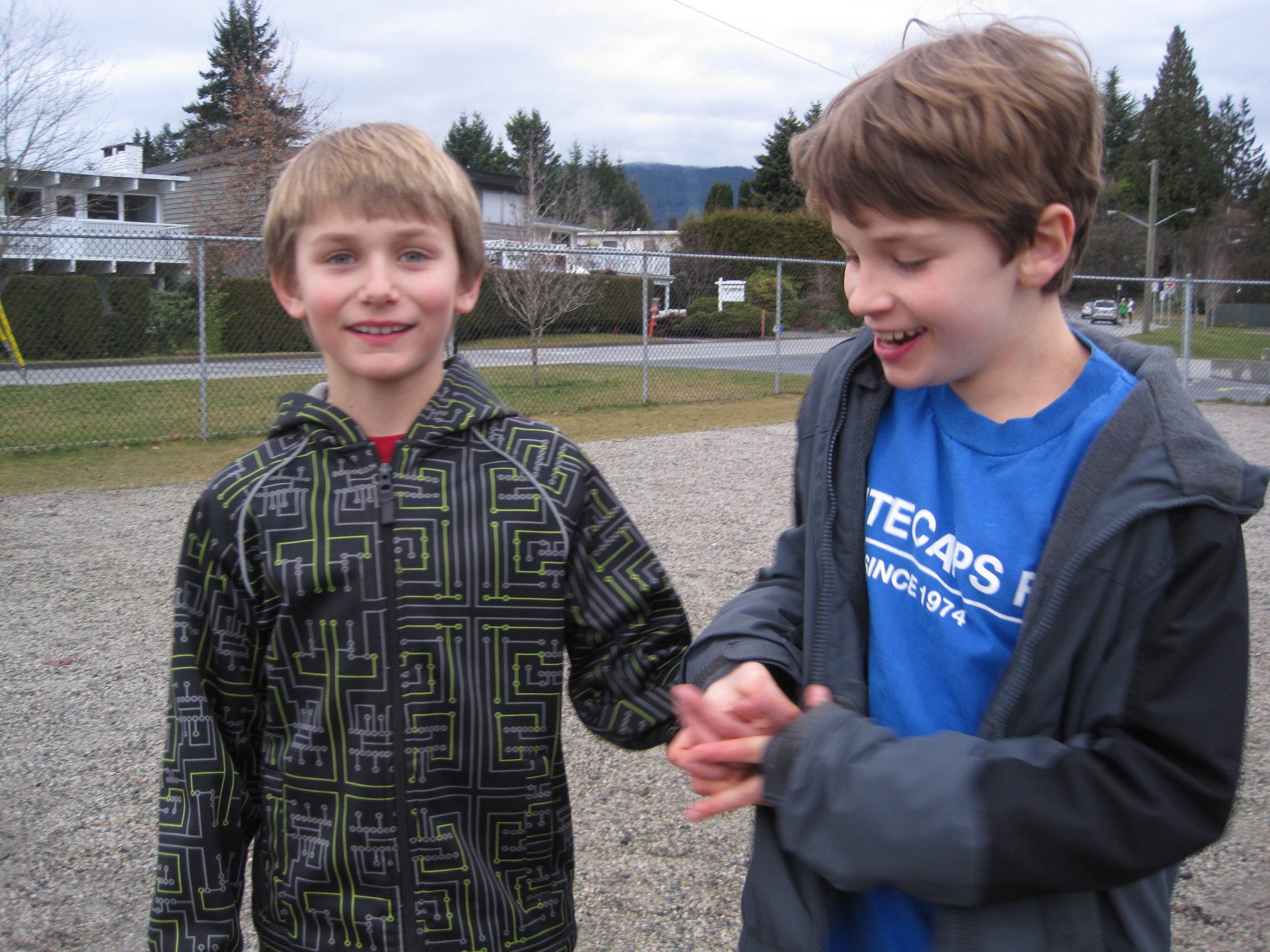
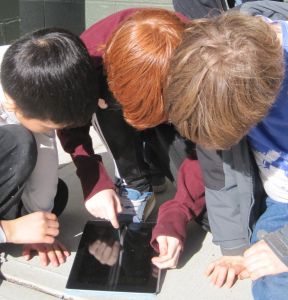
When a group of elementary‑school friends decided to form “Club G,” they weren’t just creating a pastime; they were constructing a concrete embodiment of mattering. The club’s mission to adapt playground games so Ges (“Jess”) could join started as my carefully voiced request in a school hallway and blossomed into daily recess and noontime gatherings that reshaped the school’s social landscape for 400 students and their families.
From Playground Games to Club G: How Group Belonging Outshines Solo Self‑Esteem
Defining Mattering: Noticed + Valued in Practice
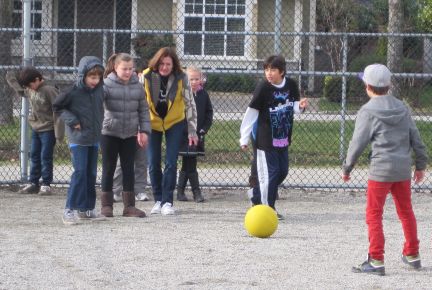
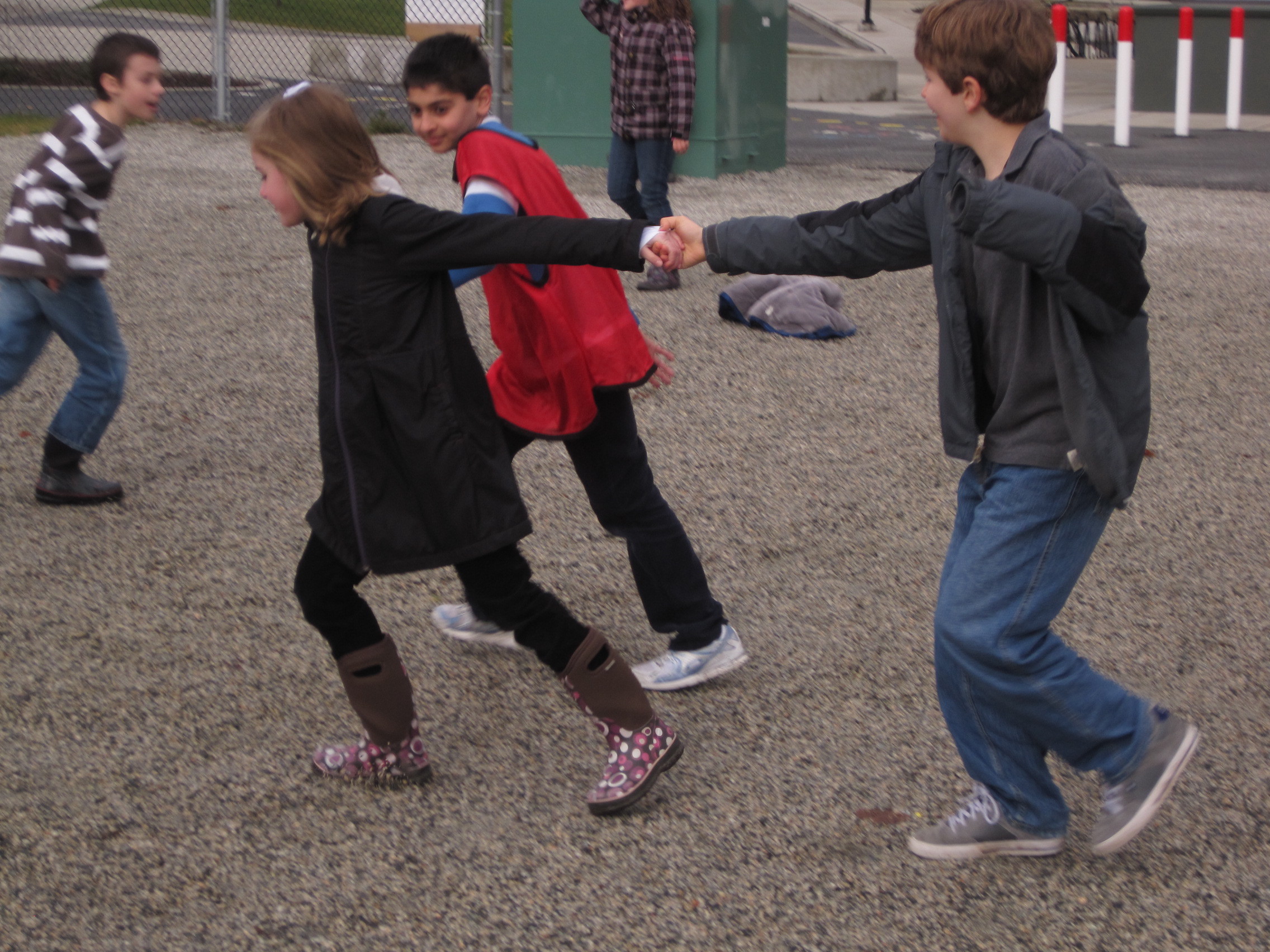
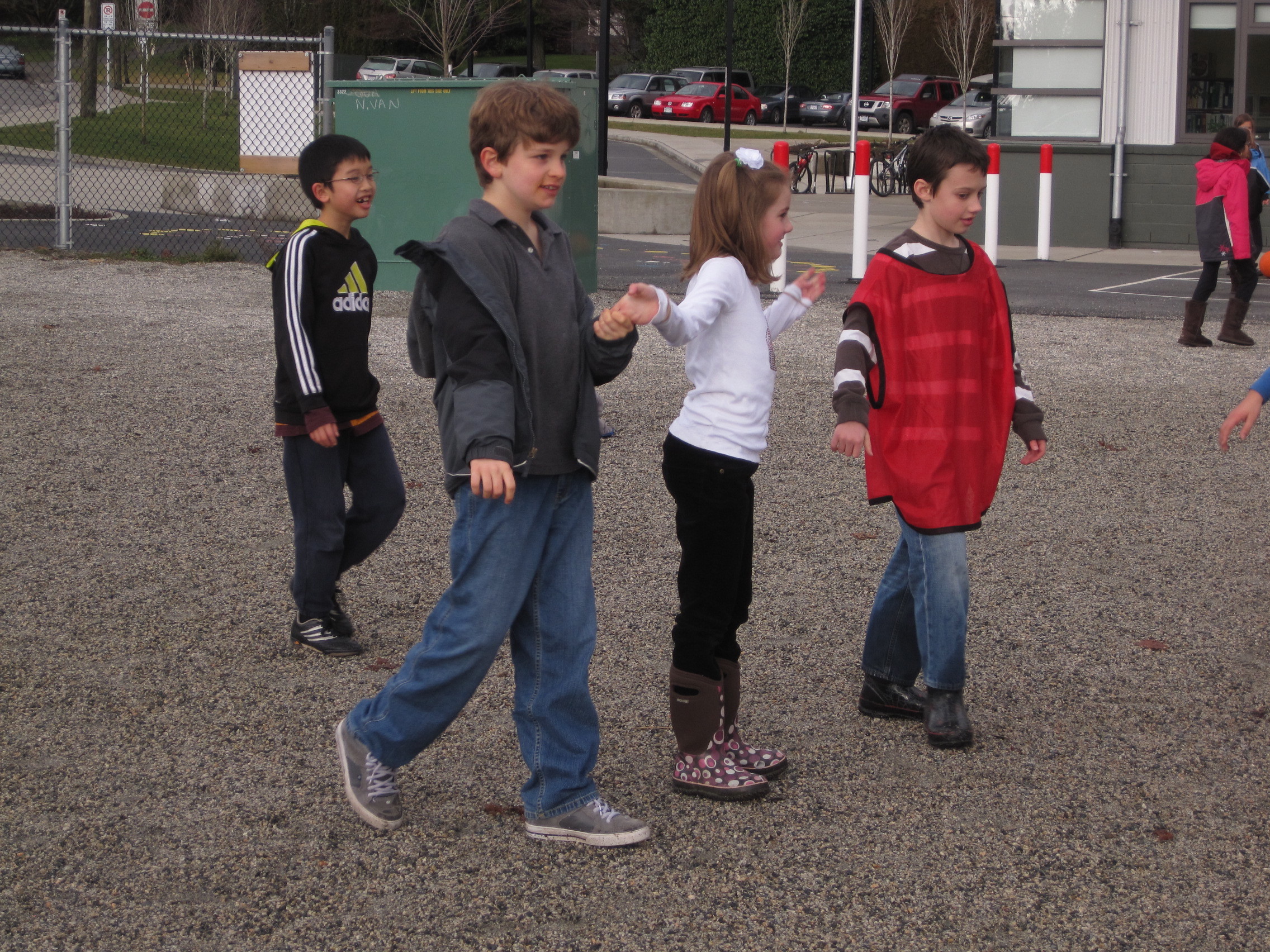
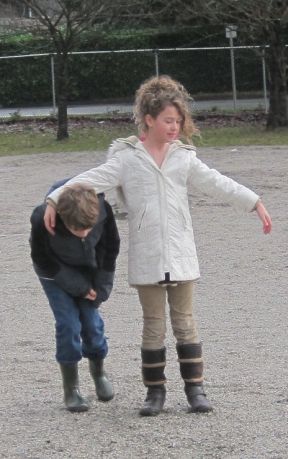
Gordon Flett defines mattering as thriving when people feel both noticed and valued within a larger system (Flett, 2022). In Club G, each child took turns redesigning play: swapping a fast‑paced tag for a slower “statue chase,” using pylons to mark a smaller play area, or putting a pinny on whoever was “it” to make them more visible. Ges, in turn, shared his interests and favourite jokes, and offered enthusiastic vocalizations and grins that resonated louder than any spoken word.
Designing Inclusive Play: The “Statue Chase” and Other Adaptations
These concrete tweaks turned a simple desire to play together into a structured, celebrated club. By deliberately slowing the pace, shrinking the playfield, and using pylons as visual markers, every child could see who was participating and who needed support. The adaptations acted as a visual map of inclusion, making each participant both noticed and valued.
The Power of Rotating Ownership
Rotating ownership of game tweaks ensured successes were celebrated as team victories, not personal triumphs. As a result, children learned that the club’s self‑esteem was linked to the group’s success, not any individual role. Consequently, this shared responsibility shifted the focus from ego to collective pride.
Ripple Effects Beyond Recess
Teachers reported fewer incidents of exclusion, parents noticed heightened empathy in their own children, children from other grades clamoured to join, and the school board cited Club G as a model for inclusive programming. Newspaper articles, awards and accolades meant nothing to the children. To them, this was what play should be: everyone having fun.
Collective Mattering vs. Individual Self‑Esteem
The evidence from Club G demonstrates that collective mattering is a more powerful driver of engagement and wellbeing than individual self‑esteem alone. Nevertheless, self‑esteem can boost confidence, but it remains fragile when isolated. In contrast, collective mattering creates a resilient, mutually supportive environment where each child’s sense of worth is reinforced by the group’s acknowledgment.
Negotiating Mattering: The Ongoing Process of Mutual Adaptation
Mattering is not a passive state; it is an active, negotiated process that thrives on mutual adaptation. Thus, Club G’s members continually refined rules, listened to feedback, and adjusted roles, ensuring that every voice, whether spoken, typed, or expressed through a shared laugh, was woven into the fabric of community life.
Lessons for Schools, Organizations, and Communities
- Start with a clear, inclusive purpose. A simple request can seed a larger movement.
- Make visibility intentional. Use visual cues (pylons, pinnys, designated spaces) to ensure everyone is noticed.
- Rotate leadership and ownership. Celebrate group achievements rather than individual accolades.
- Create feedback loops. Regularly solicit and act on input from all members.
- Document and share outcomes. Evidence of reduced exclusion and increased empathy helps scale the model.
Reflections: From Belonging to True Mattering
Club G proved that belonging is merely the first step. True mattering arises when individuals feel both noticed and valued within a larger, responsive system. In other words, by turning a modest desire for inclusive play into a sustained, community‑wide practice, the children demonstrated that collective mattering can indeed surpass individual self‑esteem and elevate the quest for genuine, lasting significance.


Carmen, your unwavering love, commitment and support of Ges is beautiful. The children in our community have grown in so many wonderful ways because of Ges in their lives. Thank you for continuing to teach us how we can all participate in inclusion. Looking forward to your next article!
Thank you Cheryl. I think they all learned and grew from each other, but not more than they taught me! Their wisdom was humbling.
This is such an inspiring story that makes your last blog on mattering come alive. Thank you – the world needs this.
Thank you Beatrice.